
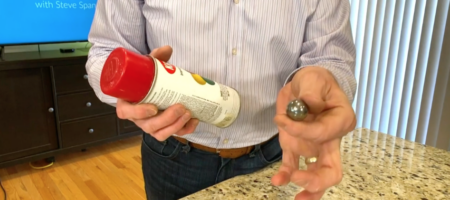
Paint Can Practical Joke
Here’s a great way to practice your sleight-of-hand skills and drive the clerk at the hardware store insane. It’s one of our all-time favorite practical […]
Here’s a great way to practice your sleight-of-hand skills and drive the clerk at the hardware store insane. It’s one of our all-time favorite practical […]
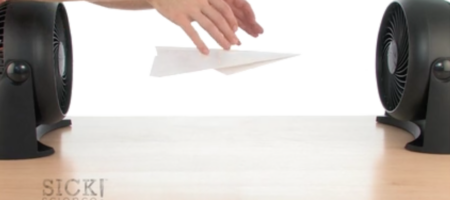
Over the years, we love it when our “Experiment of the Week” just happens to fall on a holiday… especially April Fool’s Day. So, when […]

You may think it’s impossible or that we have completely lost it, but we are going to show you a simple trick that will surprise […]

Blue, orange, and yellow flames are pretty common. What about green or purple flames? When you’re used to the everyday colors of flames, colorful changes […]
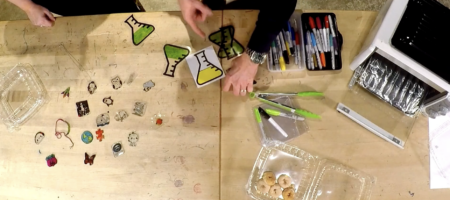
Shrinkies are a fun and creative way to repurpose plastic that might otherwise end up in a landfill. You can create awesome keepsakes using most […]
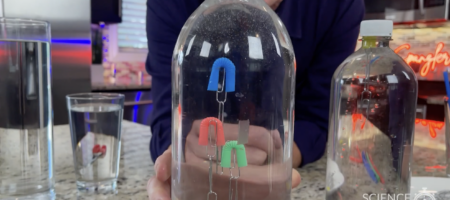
It just can’t get much more simple than this… a bendy straw and paperclip. As always, the key is to experiment with the materials you […]
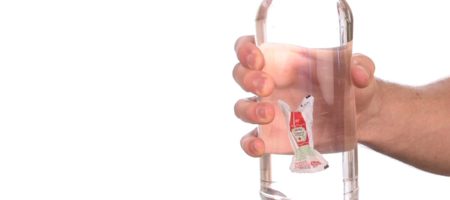
Did you know that you can cause a packet of ketchup to rise and fall on command in a bottle of water? People might even […]

Common sense tells you that it’s impossible to boil water in a paper bag, but this classic parlor trick was a favorite of Victorian magicians. […]
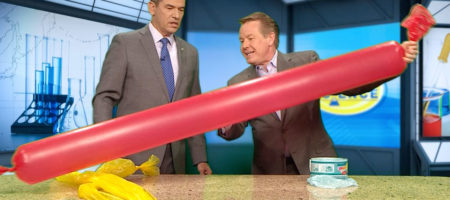
How many breaths of air will it take you to fill a plastic bag that’s 8’ (2 m) long and 10” (25 cm) in diameter? […]

Believe it or not, it’s possible to lift a 4,000 pound car using a ShopVac, plastic tarps and some duct tape. It’s a great illustration […]
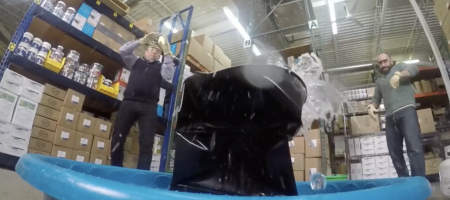
Steve Spangler often says… “Anything worth doing is worth overdoing.” That’s probably what happened here when he tried to super-size the classic Can Crusher experiment […]
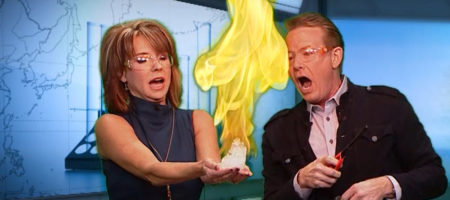
When is the last time you made bubbles catch on fire? Probably never . . . but then again, this is the teachers-only section of […]

They seem to magically “disappear.” In fact, the Styrofoam reacts with the solvent to reveal the fact that Styrofoam is made up of long strands […]
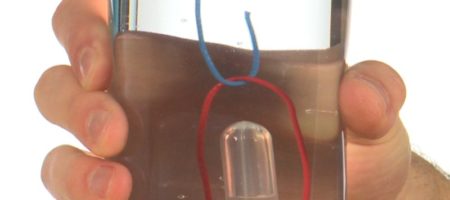
Hook is an amazing game that combines cool science with coordination and skill. You’ll make a special diver, float it in a soda bottle tank […]
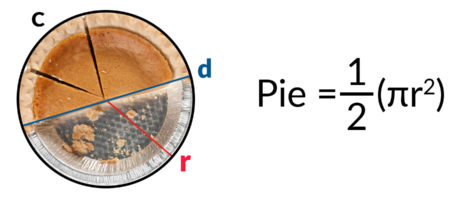
Pi (π) is the constant used in equations to find all of the dimensions of circles and spheres, but where did it come from? With […]
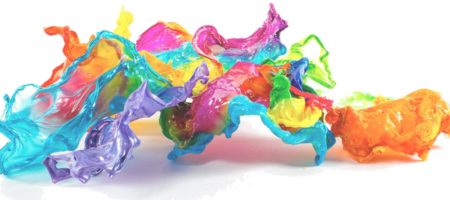
We all know that playing with slime is one of the best things in the world. But, what do you do when you’re done. You […]

Using a few materials you probably have around the house, you can build a viewing device that will safely reflect the sun and allow for […]

Drop in a penny… spritz with a sugary soda… stir in vinegar… or give the flowers an Aspirin (which might be needed after all of […]

It’s amazing what you can do with differences in air pressure. A tasty drink flows through a straw from a glass up to your mouth. A […]

Like most sodas, root beer is a combination of really good water, sugar, some flavorings, a little color, and a bit of carbonation using carbon dioxide […]

Graffiti is a topic of debate in the modern world. While some consider graffiti a nuisance, others consider it street art. With that debate still […]

What if someone challenged you to cut a hole in an index card big enough to squeeze your entire body through the hole? Believe it […]

What if we told you that you can fit a quarter through a dime-sized hole in an index card? Would you believe it was possible? […]

Whether watching that movie about wizards or catching up on our magic tricks, we love it when things mysteriously rise into the air. We are […]