
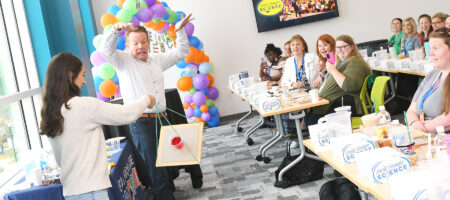
STEM Professional Development – High Point, NC
The Nido & Mariana Children’s Museum Hosts Hands-on Workshop for Elementary Educators During a hands-on teacher workshop hosted by the […]
Get the latest news, updates and behind-the-scenes photos from Steve Spangler’s keynote presentations, teacher training, STEM conferences and more.
The Nido & Mariana Children’s Museum Hosts Hands-on Workshop for Elementary Educators During a hands-on teacher workshop hosted by the […]

Steve Spangler’s Dream Event – 600 Aspiring Teachers All Under One Roof Over half of all teachers in Colorado graduate […]
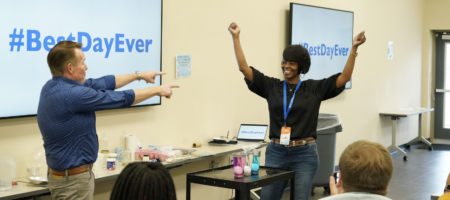
Alabama Educators Focus on Engagement Strategies Through Hands-on STEM Experiences The Spangler workshop team was honored to get to work […]
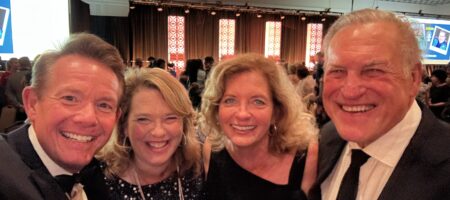
The National Speakers Association Brings Together Experts Who Share Ideas Around the Globe Where do professional speakers go to learn […]
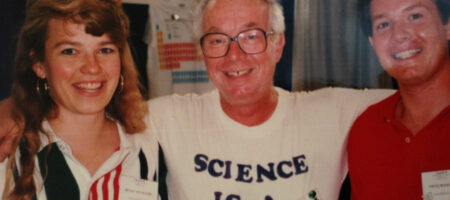
Steve Spangler Delivers a Tribute Lecture for His Friend and Mentor at ChemEd 2023 ChemEd is the premiere conference for […]
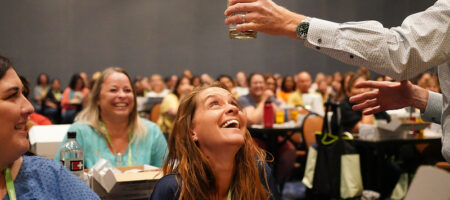
Early Childhood Educators Exploring New Ways to Create STEM Experiences The SPLASH conference hosted by Frog Street Press is the […]
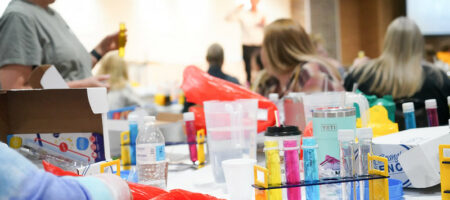
Steve Spangler Visits Minot Head Start Teachers with his Hands-on Science Teacher Workshop I like the way these people think. […]
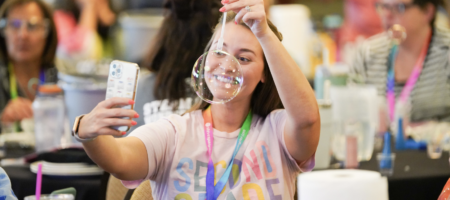
Steve Spangler’s STEM Conference – June 21-23, 2023 Here’s what it looks like when 200 educators come together to share […]
Steve Spangler Hosts Educational Travel Experience to Iceland The Spangler team has a reputation for creating educational travel experiences that […]